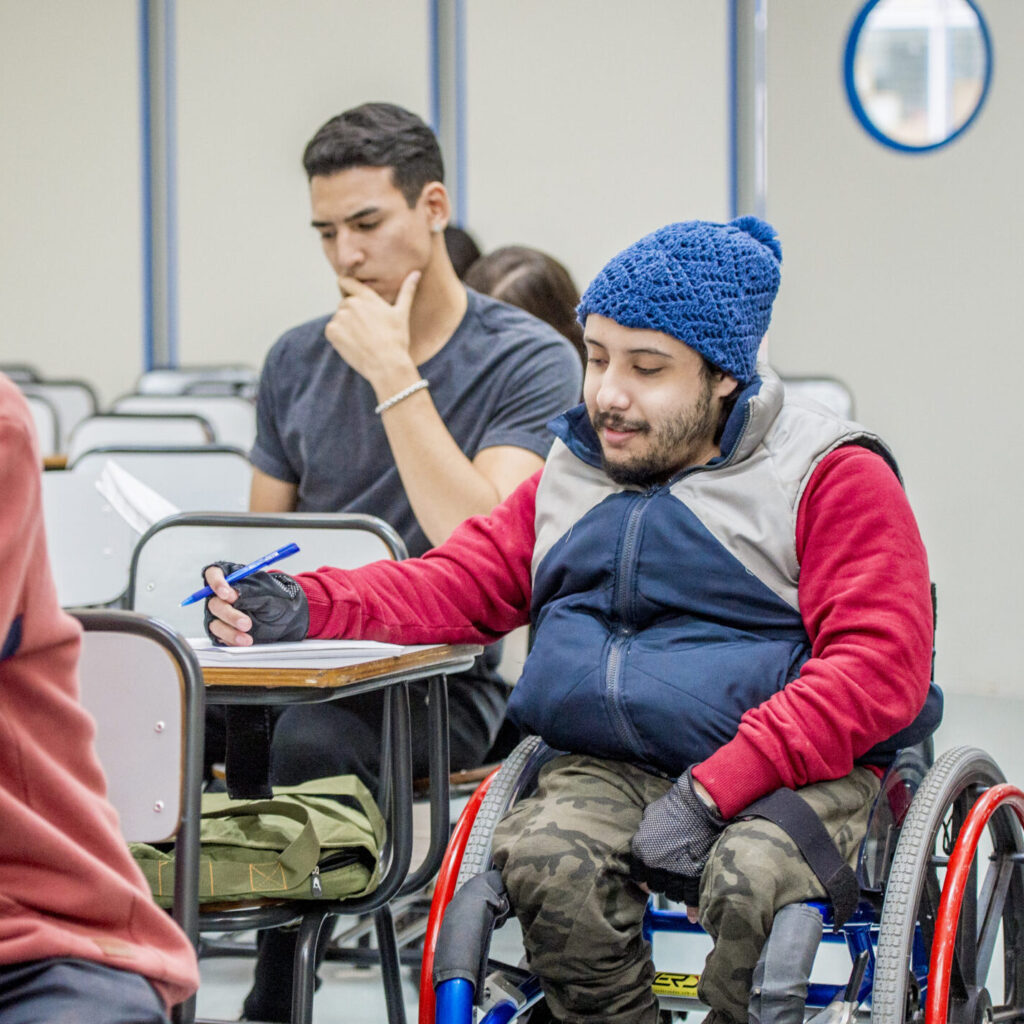
Education & Employment Opportunities Program
Creating pathways toward autonomy through scholarships, vocational training, digital education, and workforce readiness.
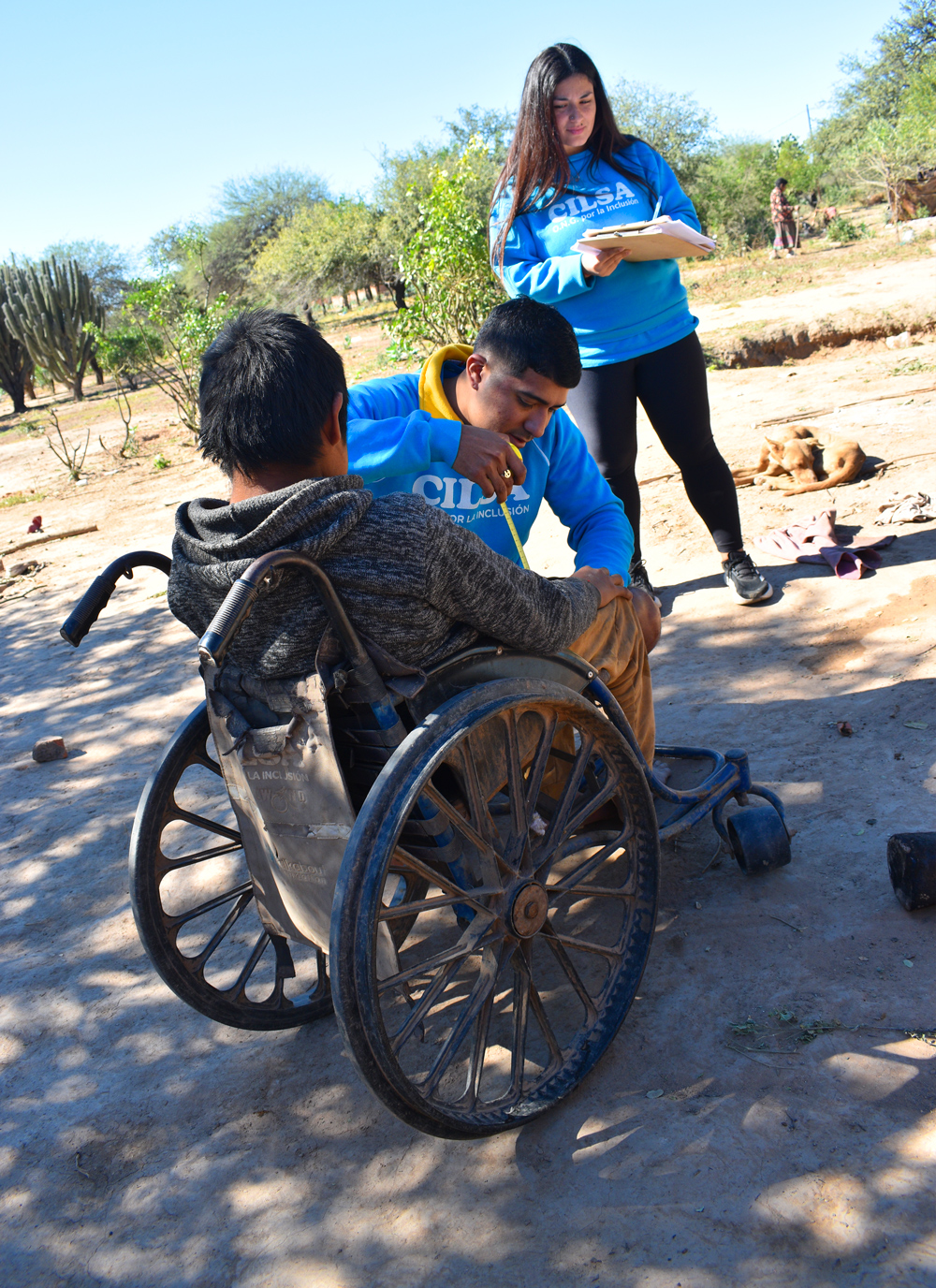
National Wheelchair & Orthopedic Devices Program
Providing free wheelchairs and orthopedic devices to children and adults with disabilities in vulnerable situations across Argentina.
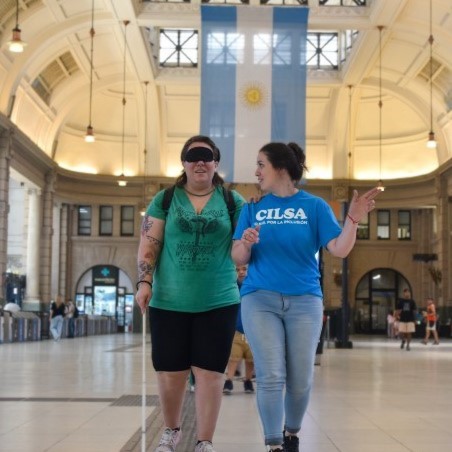
Awareness & Inclusion Program
Promoting accessibility, disability rights, and inclusion through workshops, campaigns, and public engagement.
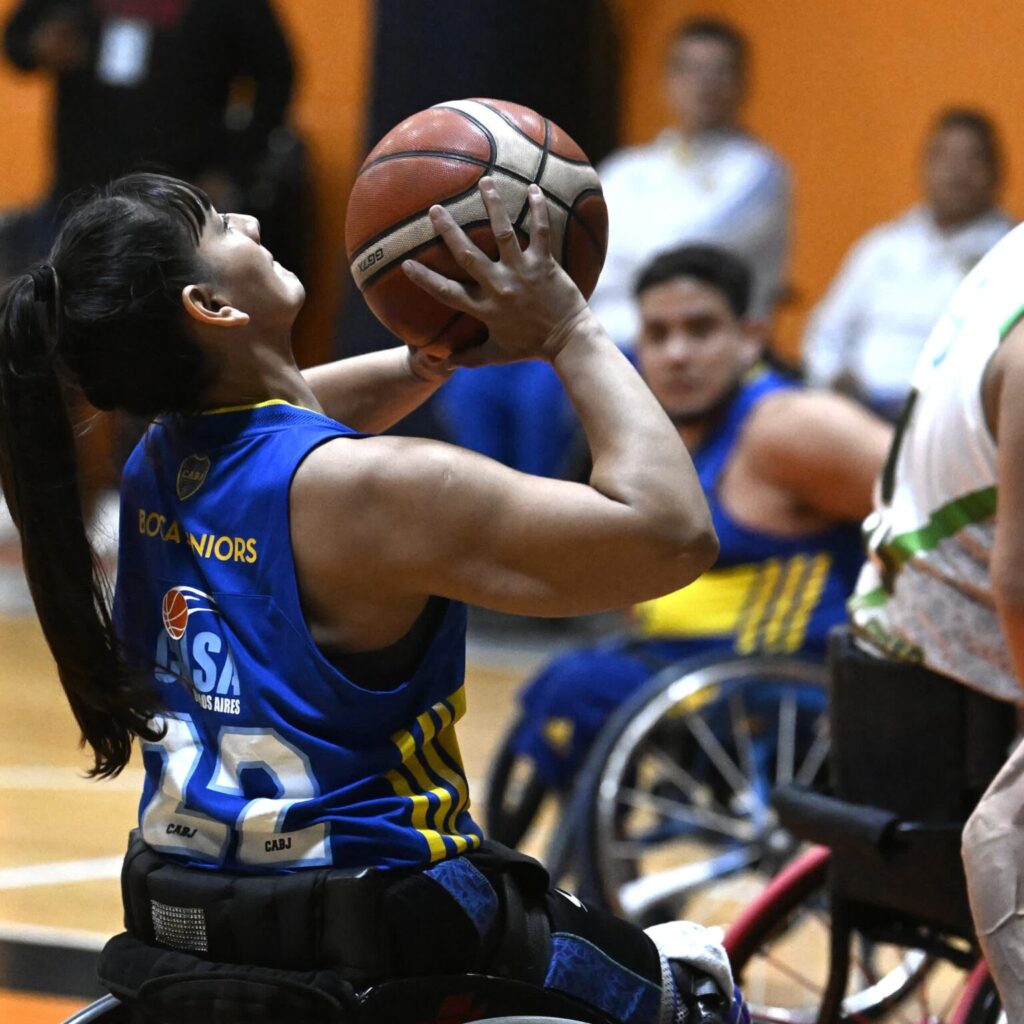
Sports & Recreation Program
Encouraging inclusion, confidence, and participation through adaptive sports and recreational activities.
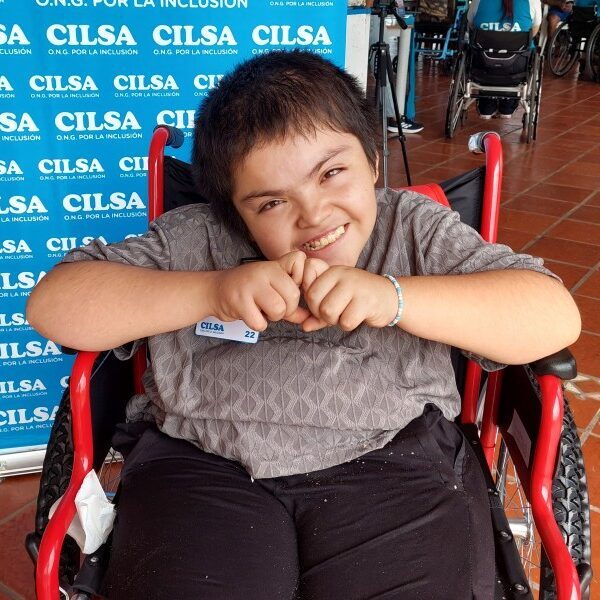
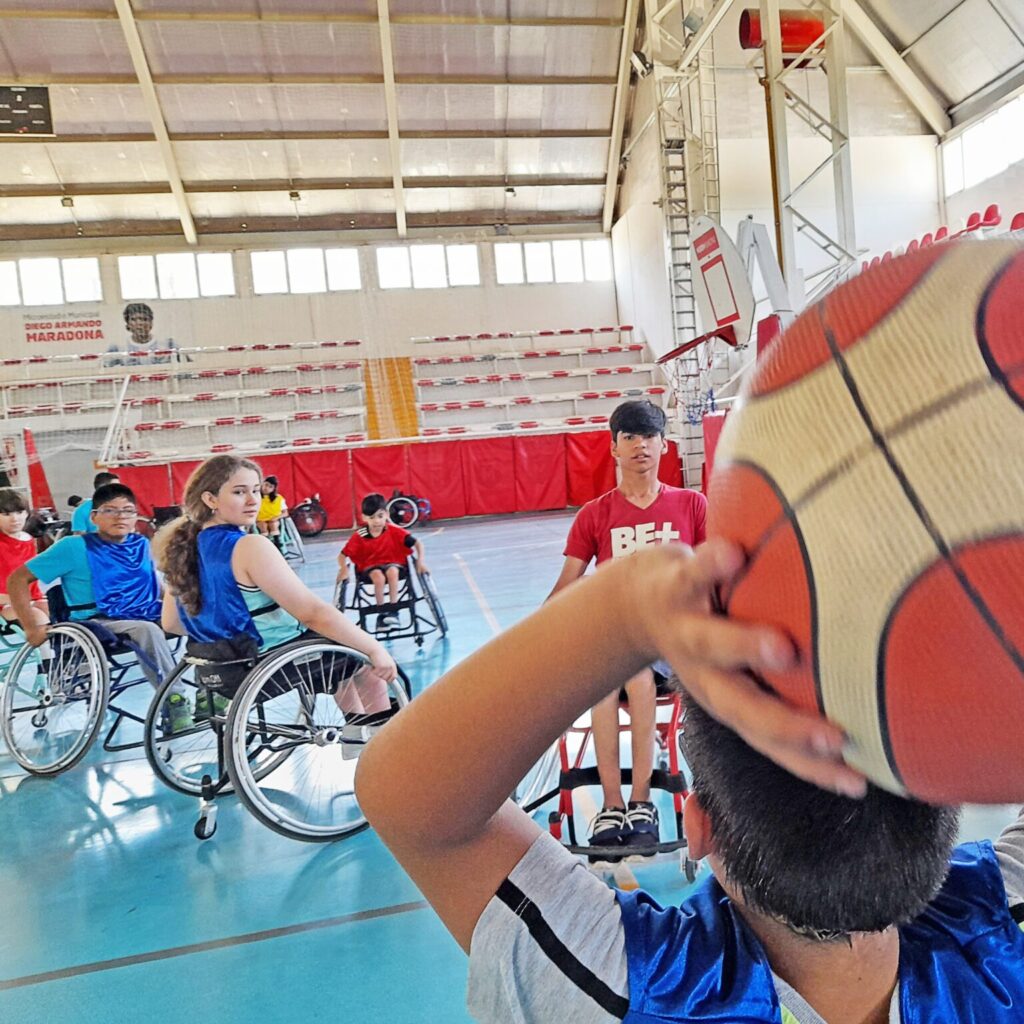
One Child, One Future
Encouraging inclusion, confidence, and participation through adaptive sports and recreational activities.
Wheelchair Distribution Growth: A Legacy of Partnership
Many international supporters, including rotary leaders, foundations, and donors have personally participated in wheelchair distributions across Argentina. This creates something deeper than philanthropy: real human connection.
11,500 Wheelchairs
1994–2006
Distributed during the first phase of distribution, establishing CILSA’s mobility network.
70,000
Wheelchairs
2006–2025
Distributed during the second phase, reflecting massive scale-up through international partnerships.
30%
Youth Participation Increase
Participation from young adults ages 18–40 in inclusion programs increased by 30%, showing mobility as a gateway to education, employment, and independence.